
Reproductive Immunology

This is a more specialist corner of fertility, relevant if you've had recurrent implantation failure or recurrent loss and your consultant has raised immune factors, or if you've already gone down the research rabbit hole yourself.
The biomedical landscape
Reproductive immunology investigates whether the immune system is contributing to implantation failure or pregnancy loss, looking at factors such as natural killer (NK) cell activity and levels, Th1/Th2 cytokine balance, and KIR genotype in relation to partner HLA-C status. The theory, broadly, is that a Th1-skewed or overly cytotoxic immune environment can make it harder for an embryo to implant or be sustained.
Where acupuncture fits
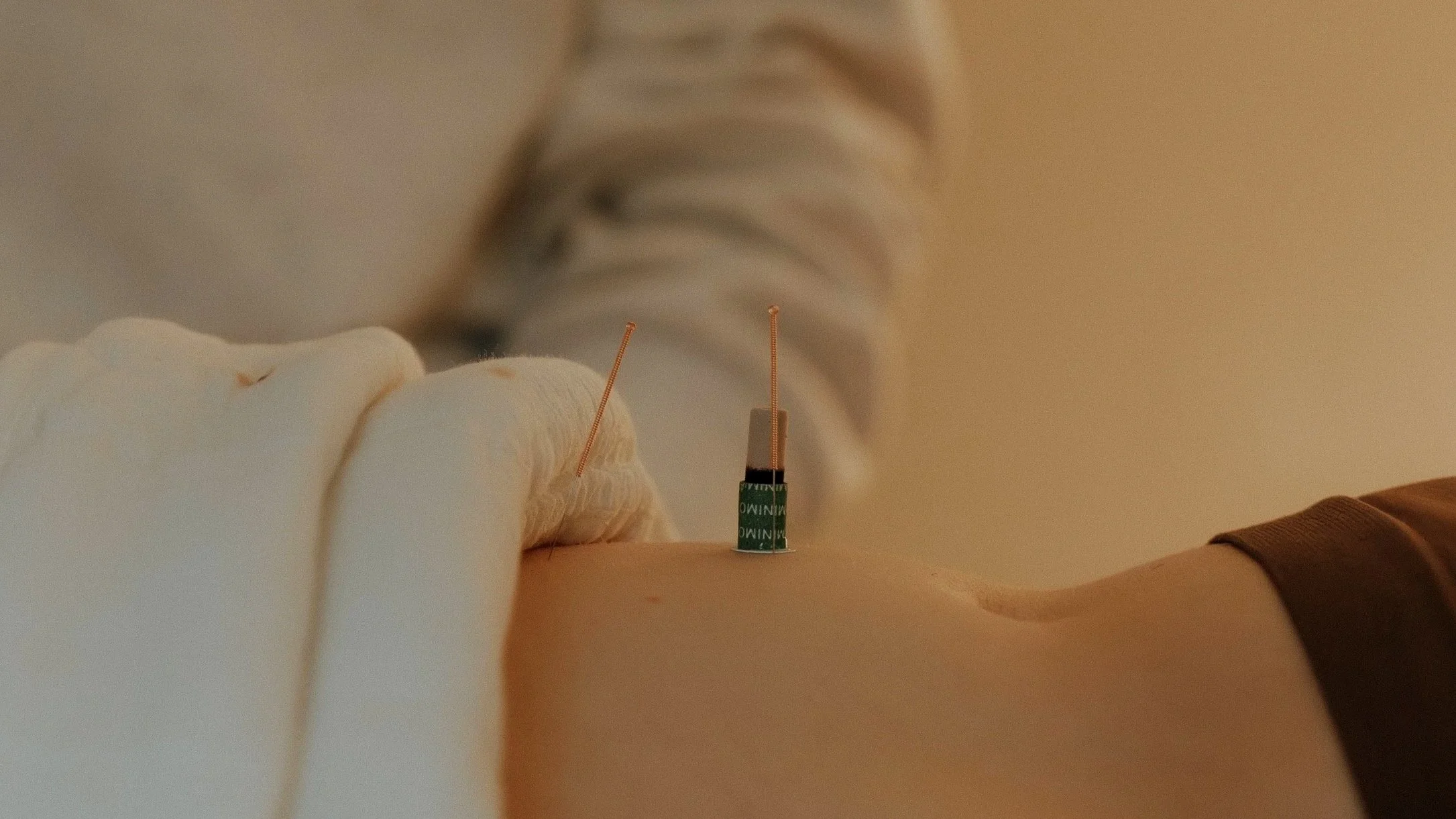
Acupuncture has evidence for modulating inflammatory cytokine profiles and reducing systemic stress load, both of which intersect with immune regulation. In TCM terms, this picture often overlaps with patterns of Kidney deficiency and Blood Stasis, and treatment focuses on improving uterine blood flow and reducing the chronic low-grade inflammatory state that stress and prior loss can both perpetuate.
What this looks like in practice
Treatment is built around your specific results, if NK cell or Th1/Th2 testing has already been done, that picture is worked with directly rather than treated generically. This usually sits alongside medical management -which may include immune-modulating treatment prescribed by your consultant, not instead of it.
Reproductive Immunology FAQ
What is reproductive immunology?
It's the study of how immune factors, such as natural killer cell activity and cytokine balance, may affect implantation and pregnancy maintenance.
Can acupuncture affect NK cell activity?
There's evidence that acupuncture can influence inflammatory and immune markers generally, though it's best considered an integrated way to support alongside medical management rather than a treatment for immune infertility on its own.
Do I need immune testing before this kind of support is useful?
Not necessarily, general acupuncture support for blood flow and inflammation is relevant either way, but if specific results are already available (NK cells, KIR genotype, Th1/Th2 ratios), treatment can be tailored more precisely to them.